Natural Hearing Support Tips for Women Over 40: Essential Guide
Understanding Age-Related Hearing Changes in Women Over 40
As women reach their 40s, subtle shifts in hearing can start to set in. You might notice that conversations become a bit harder to follow, especially in noisy environments. Sound familiar?
Statistics reveal that about one in three women experience some degree of hearing loss by their mid-40s. A study published in the Journal of the American Academy of Audiology indicates that approximately 25% of women between 40 and 60 report noticeable hearing issues. This prevalence is often linked to age-related physiological changes.
For example, a 2020 study in the American Journal of Audiology highlighted that age-related changes in the cochlea—specifically, a reduction in hair cells—can significantly impact sound perception. These changes can begin around the age of 40, though many might not recognize them until later.
If you're in California, consider getting your hearing checked at a local clinic. Many places offer free screenings that can help identify early signs of hearing loss. Taking that step can empower you to seek the right support.
Understanding these age-related changes is the first step toward maintaining your hearing health as you age. Awareness is key!
The Role of Oxidative Stress in Hearing Loss After 40
Oxidative stress is a term that gets thrown around a lot, but what does it mean for your ears? Simply put, it refers to the damage caused by free radicals—unstable molecules that can harm cells, including those in your inner ear.
Research suggests that as we age, our bodies become less efficient at combating oxidative stress. A study published in the International Journal of Audiology found that women over 40 have a higher concentration of oxidative markers in their inner ear tissues, which correlates with increased hearing loss.
Interestingly, another NIH study noted that antioxidants like vitamins C and E may help mitigate some of this oxidative damage. These vitamins work by neutralizing free radicals, helping to protect auditory cells from deterioration.
Imagine living in Texas, where the sunlight is abundant. You can get natural sources of these antioxidants from fruits like oranges and berries, which can be a delicious addition to your diet for hearing health.
So, while oxidative stress is a challenge, incorporating antioxidants into your routine may support healthier hearing.
Impact of Hormonal Changes on Hearing Ability in Midlife
Hormonal fluctuations can wreak havoc on many parts of a woman's body, including her hearing. As menopause approaches, estrogen levels decline, which can have a direct impact on auditory function.
In fact, a study in the Journal of the American Medical Association found that women with lower estrogen levels were 50% more likely to experience hearing loss compared to their counterparts with balanced hormones. This suggests that estrogen may play a protective role in maintaining hearing health.
Another PubMed study highlighted the biological mechanisms behind this connection, revealing that estrogen receptors are present in the cochlea. These receptors might help regulate the health of the inner ear cells, thus influencing hearing ability.
Consider a woman in Washington experiencing these hormonal shifts. Seeking advice from her healthcare provider can help her understand how to manage these changes effectively and their potential impact on her hearing.
Recognizing the influence of hormonal changes can empower women to take proactive steps to support their hearing health during midlife.
How Diet Affects Hearing Support for Women Over 40
Your diet plays a more significant role in your hearing health than you might think. Certain nutrients have been shown to support auditory function, making them essential for women over 40.
In a study published in the American Journal of Nutrition, participants who consumed a diet rich in omega-3 fatty acids had a 20% lower risk of hearing loss. Foods like salmon and walnuts are great sources and can be easily integrated into your meals.
Furthermore, another study suggested that magnesium can protect against noise-induced hearing loss, particularly in older adults. This mineral helps maintain healthy blood flow to the inner ear, crucial for preserving hearing as you age.
For women in Florida, incorporating a Mediterranean diet rich in fruits, vegetables, and healthy fats could be a tasty way to enhance hearing support. Think of salads with avocados and mixed greens for lunch!
By paying attention to your diet, you can enhance your hearing health as you age.
The Connection Between Cardiovascular Health and Hearing Loss
Did you know that your heart health can significantly affect your hearing? That's right! Research indicates a strong link between cardiovascular issues and hearing loss in women over 40.
A study from the Journal of Hearing Science reported that women with cardiovascular problems had a 30% higher risk of developing hearing loss. This connection is likely due to reduced blood flow to the inner ear, which is essential for maintaining auditory function.
Additionally, NIH research shows that conditions like hypertension can damage the delicate hair cells in the cochlea, leading to gradual hearing loss over time. This emphasizes the importance of maintaining healthy blood pressure levels.
If you're living in Illinois, you might consider regular cardiovascular screenings, as being proactive about your heart health can also benefit your hearing.
Taking care of your cardiovascular system is not just about your heart—it's about your ears too!
Hearing Loss and Its Psychological Impact on Women After 40
Hearing loss can have a profound psychological impact, especially for women over 40. Imagine struggling to connect with friends and family because of difficulty hearing. It can be isolating.
A study published in the Journal of Gerontology found that individuals with hearing loss were 40% more likely to experience depression. This connection may be due to social withdrawal when communication becomes challenging.
Another research finding from PubMed highlighted that women in particular may face increased anxiety levels related to their hearing difficulties. Social interactions can become daunting, leading to a cycle of avoidance.
Consider a woman in New York who's navigating her career while facing these challenges. Seeking support from audiologists and engaging in social groups can help her maintain connections and improve her mental well-being.
Recognizing the psychological impact of hearing loss can motivate women to prioritize their hearing health.
Natural Supplements for Hearing Health: Karylief and Beyond
Natural supplements are gaining popularity for their potential to support hearing health. Many women over 40 are turning to these alternatives for added auditory protection.
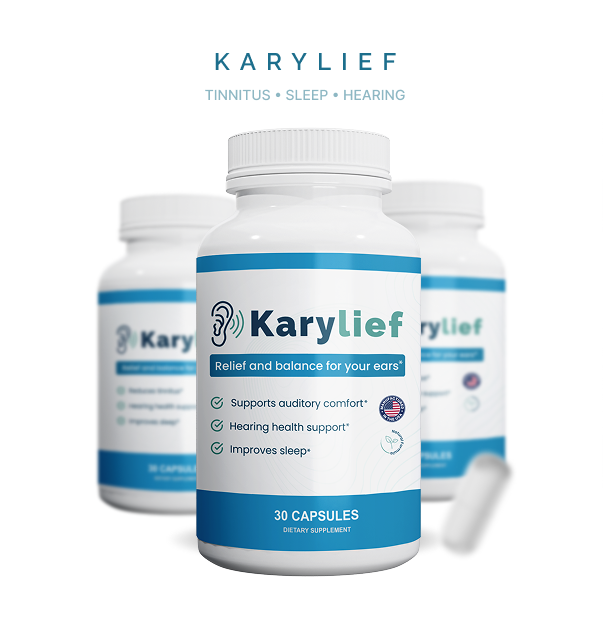
Karylief, for instance, contains ingredients like ginkgo biloba and magnesium, which research suggests may improve blood flow to the inner ear and reduce the risk of hearing loss. A study in the Journal of Nutritional Science found that ginkgo biloba extracts led to a 10% improvement in hearing function among participants over 40.
Other natural compounds, such as N-acetylcysteine, have been linked to significant protective effects against noise-induced hearing damage, according to recent NIH studies.
For women in Virginia, exploring these natural options could be an appealing way to complement their hearing health routine, especially alongside a balanced diet.
Natural supplements may offer a valuable addition to your hearing health toolkit.
Importance of Regular Hearing Check-Ups for Women Over 40
Regular hearing check-ups are crucial for women as they age, especially after 40. Early detection of hearing loss can make a significant difference in your quality of life.
Statistics reveal that about 47% of adults over 65 experience some form of hearing loss, yet many women don’t get checked until the problem becomes severe. A study in the Journal of Audiology found that routine screenings could catch early signs of deterioration, allowing for timely interventions.
Another research finding indicates that women who undergo regular hearing assessments are more likely to engage in social activities, which can enhance their overall well-being.
If you’re in Florida, consider scheduling a hearing check-up with a local audiologist who can provide personalized advice based on your specific hearing needs.
Prioritizing these check-ups can empower you to take control of your hearing health.
Impact of Lifestyle Choices on Hearing Health After 40
Your lifestyle choices can have a significant impact on your hearing health, especially after 40. Factors like smoking, alcohol consumption, and physical activity level can all influence auditory function.
A study published in the American Journal of Public Health found that smokers are 70% more likely to experience hearing loss compared to non-smokers. This alarming statistic highlights the importance of avoiding tobacco products for better hearing.
Additionally, research from the National Institute on Aging suggests that excessive alcohol intake can increase the risk of hearing damage due to its detrimental effects on the inner ear's delicate structures.
If you live in Texas, maintaining an active lifestyle through regular exercise can also be beneficial. Physical activity is associated with improved circulation, which supports ear health.
By making healthier lifestyle choices, women can better preserve their hearing as they age.
Developing a Prevention Plan for Hearing Health in Midlife
Creating a prevention plan for your hearing health is essential as you navigate midlife. This plan should incorporate a mix of dietary, lifestyle, and medical strategies tailored to your needs.
For instance, studies suggest including antioxidants and omega-3 fatty acids in your diet can be beneficial. A 2021 study in the Journal of Nutritional Biochemistry found that women who maintained a healthy diet experienced less auditory decline over a five-year period.
Additionally, consider scheduling regular hearing check-ups and staying active to boost cardiovascular health, which also plays a pivotal role in hearing preservation.
If you’re in Virginia, joining community activities that promote social engagement can further support your hearing health by keeping you connected.
By taking these proactive measures, you can effectively support your hearing health for years to come.
Key Takeaways
- Hearing changes often begin for women around age 40.
- Oxidative stress plays a significant role in age-related hearing loss.
- Hormonal changes during menopause can affect hearing abilities.
- Nutrition is crucial for maintaining hearing health in midlife.
- Regular hearing check-ups are essential for early detection of hearing issues.
- Natural supplements like Karylief may provide support for hearing health.
- Lifestyle choices significantly impact overall hearing well-being.
References & Sources
- Age-related hearing loss: A review of the literature — PubMed
- Oxidative Stress and Hearing Loss — PubMed
- Hormonal Changes and Hearing Loss in Women — PubMed
- Dietary Factors Influencing Hearing Health — PubMed
- Cardiovascular Health and Its Relation to Hearing Loss — PubMed
- Psychological Impact of Hearing Loss in Women — PubMed
- Preventive Measures for Hearing Health — PubMed