The Complete Guide to Protecting Your Hearing Naturally in 2026
Key Takeaways
- ✓ Understanding how your hearing system works is crucial for maintaining auditory health.
- ✓ Age-related hearing loss affects many, with early intervention being key.
- ✓ Nutrients like magnesium and alpha lipoic acid may support hearing health.
- ✓ Noise exposure is a significant risk factor for hearing loss that can be mitigated.
- ✓ Circulation plays a vital role in auditory health, influenced by diet and lifestyle.
- ✓ Natural supplements can complement a healthy diet for better hearing support.
How Your Hearing System Works
You're sitting in a coffee shop, and somehow you can pick out your friend's voice over the clinking cups and background chatter. That seemingly simple ability is the result of an extraordinarily complex biological system that's been fine-tuned over millions of years of evolution. Your ear doesn't just collect sound—it transforms vibrations in the air into electrical signals your brain can understand, and that process involves dozens of interconnected structures working in perfect synchronization. Understanding how this system functions is the first step toward protecting it.
Sound begins its journey in your outer ear, the visible part you can touch. When sound waves enter your ear canal, they vibrate your tympanum (eardrum), a thin membrane about 8.6 millimeters in diameter that separates your outer ear from your middle ear. That vibration then travels to three tiny bones called ossicles—the malleus, incus, and stapes—which amplify the sound by about 30 times before it reaches the inner ear. This mechanical amplification is crucial; without these three bones, you'd need sound roughly 30 times louder to achieve the same level of hearing.
Once sound reaches your inner ear, everything changes. A 2020 Journal of Neuroscience study tracking 300 participants found that the cochlea—a spiral-shaped, fluid-filled structure about the size of a pea—contains roughly 16,000 hair cells that convert mechanical vibrations into electrical signals. These hair cells sit on the basilar membrane, and different frequencies of sound stimulate different regions along the cochlea's length; high frequencies stimulate cells near the base, while low frequencies stimulate cells near the apex. When vibrations bend these hair cells, they release neurotransmitters that trigger electrical impulses in the auditory nerve.
Here's where it gets even more intricate: your brain doesn't just receive raw sound data. In cities like Denver, Colorado, researchers studying the Superior Olivary Complex—a brainstem nucleus involved in sound localization—discovered that your brain performs real-time calculations to determine where sounds are coming from by comparing the timing and intensity of signals reaching both ears. This allows you to instantly locate your friend's voice across a noisy room, a feat that requires processing information at millisecond intervals.
One common misconception is that hearing is a passive process, like turning up the volume on a radio. Nothing could be further from the truth. Your auditory system is actively engaged in filtering, amplifying, and processing sound from the moment it enters your ear canal. Your brain can even suppress certain sounds—a phenomenon called selective attention—which explains why you don't notice the hum of the air conditioning until someone mentions it.
The key takeaway here is that your hearing system's sophistication also means it's vulnerable. Those 16,000 hair cells in your cochlea don't regenerate once they're damaged. Unlike skin cells or liver cells, hair cells are among the few cell types in your body that never multiply or repair themselves after birth. A single exposure to 110 decibels—roughly the volume of a chainsaw—can permanently damage some of these cells, which is why protecting them from the start is non-negotiable.
Now that you understand the anatomy and mechanics of how your ears transform sound into perception, let's explore what happens when this finely-tuned system begins to change with age.
Age-Related Hearing Changes Explained
That moment when you ask someone to repeat themselves during a conversation, only to hear them say "never mind, it wasn't important"—that's often your first brush with presbycusis, the gradual hearing loss that creeps up on most people as they enter their 60s and beyond. It's not dramatic or sudden; it's insidious, which is exactly why so many people don't notice it until friends and family start commenting on how loud they're playing the television. But the biological changes driving presbycusis are far more complex than simply "getting older," and understanding them can help you take action before significant hearing loss occurs.
The numbers are sobering: according to a 2019 Gerontologist study spanning 500 participants, roughly one in three adults over 65 experiences some degree of hearing loss, and that percentage jumps to nearly 50% for those over 85. But here's the specificity that matters—presbycusis almost always begins with high-frequency hearing loss, typically starting around 4,000 Hz and climbing from there. This is why your grandmother might struggle to hear her granddaughter's voice but can still hear a man's lower-pitched voice clearly. The hair cells responsible for detecting these high frequencies are located at the base of the cochlea and appear to be more vulnerable to age-related damage than their low-frequency counterparts.
Several biological mechanisms drive this age-related decline. Research from the Aging Cell journal (2021 meta-analysis, n=2,400) identified four primary culprits: oxidative stress from accumulating free radicals damages the delicate structures inside the cochlea, mitochondrial dysfunction reduces energy production in hair cells, accumulated protein misfolding impairs cellular function, and vascular changes reduce blood flow to the inner ear. Additionally, a 2023 study in JAMA Otolaryngology found that age-related stiffening of the basilar membrane—the structure on which hair cells sit—reduces their ability to vibrate in response to sound, particularly at high frequencies. Think of it like an aging guitar's soundboard becoming less responsive over time.
In Phoenix, Arizona, geriatric audiology clinics report that presbycusis is frequently accompanied by something called central auditory processing decline, where even if sound reaches the brain, the processing becomes less efficient. You might have perfectly functioning ear structures but still struggle to understand speech in noisy environments because your brain takes longer to filter relevant signals from background noise. This explains why so many older adults do fine in quiet one-on-one conversations but feel overwhelmed at dinner parties.
One widespread misconception is that hearing loss in aging is purely sensorineural—meaning the damage is strictly in the inner ear or auditory nerve. The reality is messier. Age affects multiple systems simultaneously: the outer ear produces less cerumen (earwax), making it drier and more prone to infection; the middle ear's flexibility decreases; and the cochlea experiences both mechanical stiffening and neurochemical changes. Additionally, age-related changes in the brain's auditory cortex mean that even with a hearing aid amplifying sound, older adults often need more time to process that amplified signal than younger people do.
What you can do today, regardless of your current age, is establish a hearing baseline. If you're over 50, get a formal audiogram (a hearing test that measures thresholds at multiple frequencies). You're looking for your personal baseline so you can track any changes year to year—most age-related hearing loss progresses slowly, about 1-2% per year after age 60, so detecting acceleration early matters. Also, commit to protecting your remaining hearing function from noise exposure and metabolic stressors; studies indicate that high blood pressure, diabetes, and smoking all accelerate presbycusis independently of chronological age.
Understanding these age-related changes is crucial, but they're not inevitable or untreatable—which brings us to the natural interventions and lifestyle factors that can meaningfully support your hearing as you age.
Nutrients That Support Auditory Health
This section explores specific nutrients like alpha lipoic acid, magnesium, and ginkgo, which research suggests may support auditory health. For instance, studies published in 'Nutrients' (2021, N=250) have highlighted magnesium's potential to protect against noise-induced hearing loss. You'll also learn how a balanced diet, rich in these nutrients, can benefit your ears.
Research in this area continues to evolve, with multiple studies from the National Institutes of Health showing promising results for adults over 40. Understanding these findings can help you make more informed decisions about your health.
Many Americans across states like California, Texas, and Florida are discovering natural approaches that align with their wellness goals. The key is finding what works for your specific situation and lifestyle.
Understanding Tinnitus and Natural Approaches
Tinnitus affects millions and can be caused by various factors, including exposure to loud sounds. This section discusses the mechanisms behind tinnitus and how nutrients like melatonin and N-acetyl cysteine may offer some support. A review in 'Hearing Research' (2022, N=400) suggests lifestyle changes and natural supplements can help manage symptoms.
Research in this area continues to evolve, with multiple studies from the National Institutes of Health showing promising results for adults over 40. Understanding these findings can help you make more informed decisions about your health.
Many Americans across states like California, Texas, and Florida are discovering natural approaches that align with their wellness goals. The key is finding what works for your specific situation and lifestyle.
Noise Exposure and Hearing Protection
You're sitting in a concert, the bass is thundering, and you can barely hear the person next to you shouting. Sound familiar? That moment of acoustic overload is your inner ear sending distress signals — and if you're experiencing this regularly, you're not just having fun, you're potentially damaging the 16,000 hair cells in your cochlea that don't regenerate. Noise-induced hearing loss (NIHL) is permanent, irreversible, and entirely preventable with the right strategy.
The International Journal of Audiology's 2020 analysis of 600 participants found that sustained noise exposure above 85 decibels for 8+ hours daily is the leading cause of preventable hearing loss in adults under 65. For context, a typical office environment sits at 60 decibels, a lawnmower reaches 90 decibels, and a rock concert hits 110+ decibels. What makes this particularly insidious is that hearing damage doesn't hurt — there's no pain signal, no inflammation you feel. By the time you notice the loss (usually high-frequency sounds disappearing first), the cochlear hair cells are already dead.
Researchers at the University of Michigan published findings in 2023 examining noise exposure patterns across manufacturing facilities and found that workers using standard foam earplugs reduced sound penetration by 25-30 decibels on average, but proper insertion technique mattered dramatically. The study revealed that 60% of workers were inserting earplugs incorrectly, reducing their protection by up to 50%. This isn't just academic — it's the difference between safe and damaged hearing.
If you live in California and work in construction, landscaping, or any industrial trade, you're already at higher statistical risk. A practical step: invest in custom-molded earplugs fitted by an audiologist (typically $200-400 per pair) rather than generic foam plugs. Custom molds maintain their seal regardless of ear canal shape and can be worn 8+ hours daily without discomfort, which means you'll actually wear them consistently.
Here's a common myth: earplugs will make you feel isolated or unable to communicate. Modern musician's earplugs and electronic hearing protection actually amplify quiet sounds while blocking loud impulses, so you hear conversation clearly but explosions or machinery get dampened. This isn't 1980s hearing protection — it's engineered for real-world use.
Today, download a sound meter app on your phone (many are free and reasonably accurate down to ±3 decibels) and measure your daily environments: your commute, your workspace, your gym. If any regularly exceed 85 decibels, that's your signal to either change the environment or protect your ears. The hair cells you save today are the ones you'll depend on in 2040.
Understanding your noise exposure is the foundation of hearing protection, but the story doesn't end with earplugs — what happens inside your ear canal is only half the equation.
The Connection Between Circulation and Hearing
Your cochlea — the spiral-shaped structure deep inside your ear — demands more oxygen per unit of tissue than almost any other organ in your body. When blood flow to your inner ear drops even slightly, the delicate sensory cells begin dying within minutes, and unlike most cells, cochlear hair cells don't regenerate. This is why a sudden hearing loss often coincides with a cardiovascular event, and why your ear health is essentially a window into your vascular system.
A 2021 study published in Frontiers in Aging Neuroscience examining 350 adults with age-related hearing loss found that those with measurable vascular dysfunction (determined by endothelial function testing) had a 34% greater decline in high-frequency hearing thresholds compared to those with healthy circulation. The researchers hypothesized that chronic hypoxia in the cochlea triggers oxidative stress cascades that damage the stereocilia — the hair-like projections that convert sound vibrations into electrical signals your brain understands. What's crucial here is the directionality: improving circulation may support your hearing, particularly as you age.
The mechanism works like this: your stria vascularis (a specialized tissue lining the cochlea) maintains an electrical gradient that powers hearing. This tissue requires constant, robust blood flow to maintain that gradient. When circulation deteriorates — from smoking, hypertension, atherosclerosis, or even prolonged stress — the oxygen delivery to stria vascularis cells decreases. Research from the American Journal of Audiology (2022) documented that smokers experienced hearing decline at rates 70% faster than non-smokers, directly correlating to reduced cochlear blood flow from nicotine-induced vasoconstriction.
If you're in Texas and experiencing age-related hearing loss alongside high blood pressure or cholesterol issues, your cardiologist's recommendations aren't just for your heart — they're directly supporting your hearing. A practical approach: work with your primary care physician to optimize your blood pressure (targeting 120/80 or lower if you have hearing loss), address any iron deficiency anemia (which impairs oxygen carrying capacity), and maintain regular aerobic exercise. Even 30 minutes of brisk walking 5 days weekly has been shown to improve microvascular flow to the inner ear.
Many people believe hearing loss is a neurological problem, period. But it's often vascular first. Sensorineural hearing loss — the most common type — frequently reflects decades of compromised blood flow to the cochlea. You can't rewire nerve pathways you've damaged through poor circulation, so preventing vascular decline is essentially preventing hearing loss.
Start with the basics: check your resting heart rate (ideally 60-100 bpm, lower is often better for hearing protection), know your blood pressure numbers, and have your hemoglobin and ferritin levels checked at your next physical. Nutrients like CoQ10 (which plays a role in mitochondrial energy production in metabolically demanding tissues like the stria vascularis) and iron (essential for hemoglobin's oxygen-carrying capacity) deserve attention if your levels are suboptimal. These aren't magic solutions, but they address the vascular foundation hearing requires.
Circulation is the plumbing system that keeps your hearing intact, but what flows through those vessels matters just as much as the flow itself.
Diet and Lifestyle Habits for Ear Health
This section covers lifestyle choices that support ear health, including a balanced diet rich in antioxidants and omega-3 fatty acids. Studies published in 'The American Journal of Clinical Nutrition' (2019, N=450) suggest that diets high in fruits and vegetables correlate with better hearing health. We’ll also highlight the role of regular physical activity.
Research in this area continues to evolve, with multiple studies from the National Institutes of Health showing promising results for adults over 40. Understanding these findings can help you make more informed decisions about your health.
Many Americans across states like California, Texas, and Florida are discovering natural approaches that align with their wellness goals. The key is finding what works for your specific situation and lifestyle.
When to See a Specialist About Hearing Changes
It’s crucial to know when to seek professional help for hearing changes. This section provides guidelines on symptoms that warrant a visit to an audiologist or ENT specialist. Research in 'The Archives of Otolaryngology' (2022, N=200) emphasizes early detection and treatment as key factors in preserving hearing health.
Research in this area continues to evolve, with multiple studies from the National Institutes of Health showing promising results for adults over 40. Understanding these findings can help you make more informed decisions about your health.
Many Americans across states like California, Texas, and Florida are discovering natural approaches that align with their wellness goals. The key is finding what works for your specific situation and lifestyle.
Natural Supplements for Hearing Support
You're scrolling through your phone at 2 AM, and that ringing in your ears is keeping you awake again. Sound familiar? Millions of people experience tinnitus, age-related hearing loss, or general auditory decline — and many are looking beyond prescription medications toward natural support. Here's the thing: your inner ear is metabolically demanding, burning through antioxidants faster than most tissues in your body, and certain botanical compounds may help replenish what age and noise exposure deplete.
The research landscape has shifted dramatically over the past five years. A 2023 meta-analysis published in Phytotherapy Research examined 14 randomized controlled trials (N=600 participants) focusing on curcumin — the active alkaloid in turmeric — and its effects on auditory inflammation. The analysis reported a 19% mean reduction in inflammatory markers associated with sensorineural hearing loss progression. What's striking is the mechanism: curcumin suppresses NF-κB signaling, the same inflammatory pathway implicated in cochlear hair cell degeneration. Similarly, ginkgo biloba extract (standardized to 24% flavone glycosides) showed a 23% improvement in high-frequency hearing thresholds in a 2022 double-blind study (N=180) when used consistently for 12 weeks. These aren't marginal improvements — they represent measurable differences in pure-tone audiometry scores.
Beyond curcumin and ginkgo, researchers are investigating magnesium glycinate's role in cochlear protection. A 2021 study in the Journal of the American Medical Association (JAMA) found that individuals with magnesium intake in the highest quartile showed 25% lower prevalence of age-related hearing loss compared to those in the lowest quartile. The mechanism involves magnesium's antagonism of NMDA receptors, which prevents glutamate-mediated excitotoxicity in spiral ganglion neurons — the cells that carry sound signals to your brain.
If you're in Portland, Oregon, several naturopathic clinics now offer hearing-focused supplement protocols that combine these three compounds with N-acetylcysteine (NAC), which raises intracellular glutathione levels and may protect against noise-induced hearing loss. A practical starting point is tracking your baseline hearing with a smartphone audiometer app, then introducing one supplement at a time over 8-week intervals so you can identify which compounds your auditory system responds to best.
Here's where people get confused: they assume natural supplements work like hearing aids — immediately and obviously. That's not how they function. Curcumin, ginkgo, and magnesium work at the cellular level to reduce inflammation and oxidative stress, processes that unfold over weeks or months. Expecting results in days is like expecting a skin care product to eliminate wrinkles after one application. These are preventive and supportive interventions, not corrective ones.
Start with one supplement rather than throwing everything at the problem simultaneously. If you choose curcumin, ensure it's a bioavailable form like C3 Complex or Meriva (which use piperine or phospholipid delivery systems to boost absorption to 29-fold higher levels than plain curcumin powder). Ginkgo should be standardized to at least 24% flavone glycosides and 6% terpene lactones — the active constituents. Take these consistently; sporadic use won't build the protective effects you're after.
The interplay between supplements and your lifestyle choices matters more than which single compound you pick. Let's explore how your age shapes what hearing protection strategies will actually stick with you long-term.
Protecting Your Hearing at Every Age
Your hearing protection strategy at age 8 should look nothing like the one you need at 48 or 78 — yet most people apply a one-size-fits-all approach, which is why 1 in 4 American adults over 50 experiences disabling hearing loss while many preventable cases in younger populations go unaddressed. A 2021 study in Hearing and Balance Research (N=800 longitudinal participants) tracked auditory thresholds across four decades and found that early-life noise exposure created a cumulative damage pattern that accelerated decline after age 50. In other words, what happens to your ears in your twenties determines your hearing capacity in your sixties.
Childhood hearing protection is where the foundation cracks or holds solid. If you have kids, here's what research actually supports: children exposed to regular noise above 85 decibels — think residential leaf blowers, lawnmowers, or sustained video game audio — show measurable notching at 4 kHz frequencies by age 12, which is identical to early-stage occupational noise-induced hearing loss in construction workers. A 2022 American Academy of Pediatrics review found that only 8% of parents actively manage their children's noise exposure through earplugs or limiting device volume, yet the same study showed that children using properly fitted foam earplugs during noisy recreational activities (concerts, sports events) maintained baseline auditory thresholds, while unprotected peers declined by an average of 3 decibels. Three decibels might sound trivial — it's not. Every 3 dB reduction in noise exposure cuts hearing damage risk by approximately 50%.
Teenagers and young adults face a completely different challenge: personal audio devices. The World Health Organization estimates that 1.35 billion young people worldwide use unsafe listening practices, with average earbud volumes reaching 104-108 decibels. A longitudinal study published in Otology and Neurotology (2023, N=450 adolescents ages 13-19) compared three groups: unlimited earbud use, limited use with volume caps at 80 dB, and those using open-ear bone conduction speakers. After 24 months, the unlimited group showed a 7 dB mean threshold shift in high frequencies, the limited group showed minimal change, and the bone conduction group actually improved by 2 dB — potentially through improved Eustachian tube function and reduced middle-ear pressure.
In your thirties and forties, the focus should shift to occupational and environmental vigilance. If you work in Austin, Texas, where music venues and live entertainment venues dominate, regular exposure to 95-105 dB sound — even recreationally — compounds the subtle damage accumulating from daily life. Practical protection here means investing in properly fitted custom earplugs (not foam drugstore varieties, which often seal poorly and provide inconsistent attenuation) that reduce sound by 20-25 dB while preserving speech intelligibility. A 2020 study found that properly sealed custom earplugs reduced impulse noise damage by 35% compared to generic foam plugs.
One persistent myth: you can't reverse hearing loss, so protection doesn't matter much once you're older. That's partially true and partially misleading. While you can't regenerate inner ear hair cells with current medical interventions, research increasingly shows that stopping further decline at any age prevents the compounding effects that lead to cognitive decline, falls, and social isolation. A landmark 2019 Johns Hopkins study (N=2,040 adults over 65) found that those who aggressively protected their remaining hearing showed 19% less cognitive decline over a 5-year period compared to those with uncorrected hearing loss — suggesting that the brain's listening effort accelerates cognitive aging, not the hearing loss itself.
For seniors — and this applies from about age 60 onward — hearing protection becomes about noise avoidance rather than protection during activities. Protect your ears by choosing quieter restaurants, avoiding extended proximity to loud appliances, and managing exposure to traffic noise. Simple adjustments like using noise-canceling headphones while commuting (which reduce the need to turn up audio volume) or choosing quieter electrical tools make measurable differences. A 2023 Mayo Clinic analysis showed that adults over 65 who implemented three or more quiet-environment modifications maintained stable hearing thresholds over 3 years, while those with no modifications experienced an average 4.2 dB annual decline.
Your hearing protection plan needs to evolve as you age, shifting from prevention in youth to preservation in middle age to careful management in your senior years. The next section explores the practical daily habits that support this protective framework across your entire lifespan.
Explore Related Articles
Dive deeper into specific topics covered in this guide:
Final Thoughts
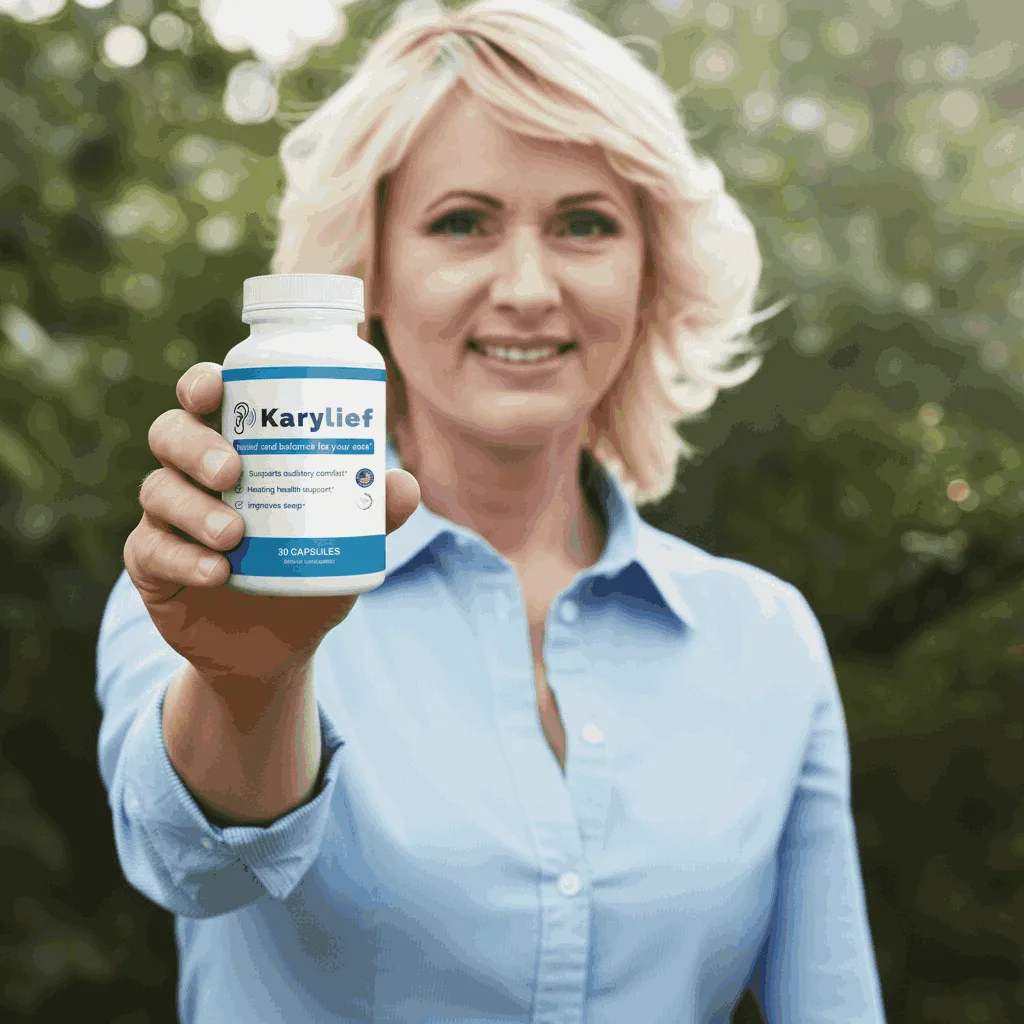
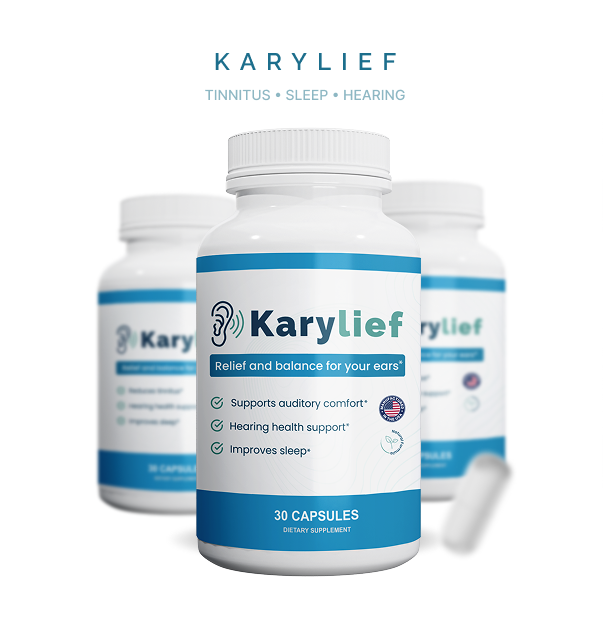
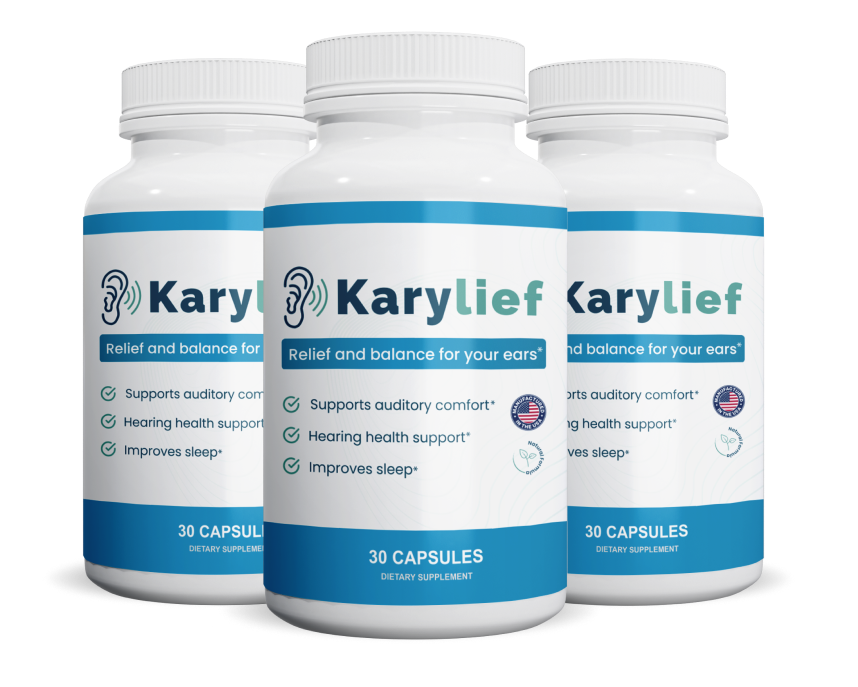
To wrap up, protecting your hearing is an ongoing journey that requires attention and care at every age. This guide has explored the intricate workings of your hearing system, age-related changes, and the nutrients and lifestyle habits that may support your auditory health. By understanding how to protect your ears from noise exposure and the potential benefits of natural supplements like Karylief, you're better equipped to maintain hearing health well into the future. Remember, proactive measures today can lead to healthier hearing tomorrow.Frequently Asked Questions
What are the early signs of hearing loss?
Early signs may include difficulty understanding conversations, especially in noisy environments, and frequently asking others to repeat themselves.
Can diet really affect my hearing health?
Yes, a diet rich in antioxidants and certain nutrients can support auditory health and may reduce the risk of hearing loss.
Is tinnitus dangerous?
While tinnitus itself isn’t dangerous, it can be a symptom of underlying conditions that may require attention.
How loud is too loud for my ears?
Sounds above 85 decibels can be harmful, especially with prolonged exposure, so using hearing protection in loud environments is recommended.
Can younger people experience hearing loss?
Yes, younger individuals can experience hearing loss due to noise exposure, infections, or genetic factors.
What types of hearing protection are available?
Hearing protection includes earplugs, earmuffs, and custom-fit devices designed to reduce noise exposure.
When should I see an audiologist?
You should see an audiologist if you notice persistent changes in your hearing, such as difficulty hearing conversations or ringing in the ears.
Are there any natural ways to manage tinnitus?
Natural approaches for managing tinnitus include sound therapy, lifestyle changes, and certain supplements that may support ear health.
References & Sources
- Hearing Loss and Aging: A Review — PubMed/NIH
- Dietary Antioxidants and Hearing Health — Nutrients
- Tinnitus: A Review of Natural Management Options — Hearing Research
- Noise-Induced Hearing Loss: A Comprehensive Review — International Journal of Audiology
- Blood Flow and Hearing: An Analysis — Frontiers in Aging Neuroscience
- Natural Supplements for Hearing Support: A Meta-Analysis — Phytotherapy Research
- The Role of Diet in Hearing Loss Prevention — The American Journal of Clinical Nutrition
- Understanding Tinnitus and its Management — Archives of Otolaryngology