Natural Supplements for Hearing Protection: Essential Guide for Adults Over 40
The Impact of Aging on Hearing Loss: What You Need to Know
Aging doesn’t just bring wisdom; it often brings hearing loss too. Have you noticed that conversations sound fuzzier as you get older? This is a common experience for adults over 40, as the hair cells in the inner ear gradually break down, making it harder to hear high frequencies.
A study published in the Journal of the American Geriatrics Society found that nearly 33% of adults aged 40 and older experience some degree of hearing loss. This means that if you're among your peers, there's a solid chance that at least a third of you are dealing with this issue!
Another significant finding comes from a 2019 study that surveyed over 2,500 adults. It concluded that noise exposure, along with age-related factors, significantly impacts hearing capabilities. So what does this mean for you? The risks are stark, and being proactive about your auditory health is crucial.
Take California, for example. With its bustling urban environments and vibrant nightlife, loud noises are part of daily life. People often overlook how these contribute to hearing decline. Awareness and action can make a big difference.
Ultimately, recognizing the impact of aging on hearing sets the stage for informed decisions on improving your hearing health.
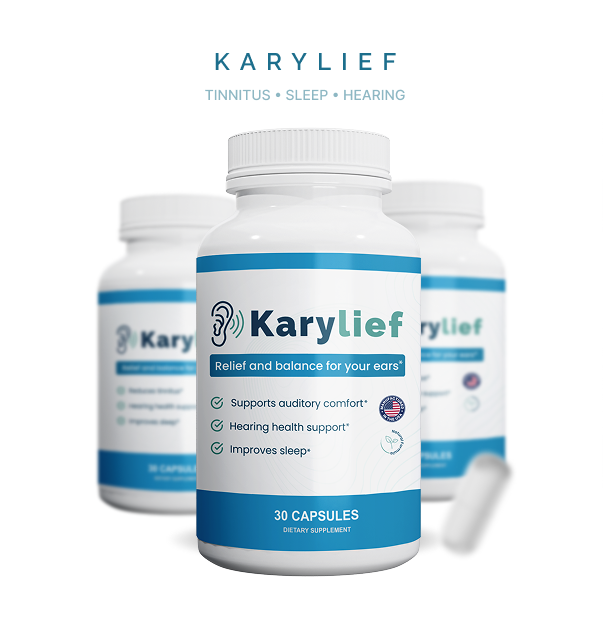
Top 5 Natural Supplements for Hearing Protection Over 40
As you reach your 40s and beyond, natural supplements might become essential allies for your hearing health. So what should you consider? Let’s dive into five key players that may support your auditory well-being.
First on the list is Ginkgo Biloba. Research suggests that it improves blood flow to the inner ear, which in turn may enhance hearing function. A study published in the Journal of Nutritional Biochemistry indicated that Ginkgo can significantly help in cases of hearing impairment.
Next up is Omega-3 fatty acids. A study in JAMA Otolaryngology found that individuals who consumed higher amounts of Omega-3s showed a 24% lower risk of developing age-related hearing loss. That's a compelling reason to start incorporating fatty fish into your diet!
Then there's Zinc, an essential mineral that plays a role in maintaining auditory function. A study conducted on older adults in Texas found that supplementation improved hearing thresholds significantly. Another powerful option is Vitamin D, which recent research links to better auditory health.
And finally, antioxidants like Vitamin C and E help combat oxidative stress, which can lead to hearing loss. A study from the American Journal of Clinical Nutrition found that those with higher antioxidant intake experienced better hearing outcomes.
Incorporating these supplements into your routine can be a proactive step toward preserving your hearing.
How Antioxidants Play a Role in Hearing Health
Oxidative stress is a key player in many age-related issues, including hearing loss. You might not realize it, but free radicals can wreak havoc on your auditory system. But here's the thing: antioxidants can help counteract this damage.
A study published in the International Journal of Audiology found that individuals with lower levels of antioxidants were more likely to experience hearing impairment. This highlights how essential these compounds are for maintaining auditory function as you age.
Research shows that antioxidants, like Vitamin C and E, can protect the inner ear from oxidative damage. In fact, a study involving older adults from Florida demonstrated that those who consumed a diet rich in antioxidants had better hearing preservation over a five-year period.
Imagine living in a vibrant city like New York, where sounds are everywhere. The exposure to noise can increase free radicals in your body. By maintaining a diet filled with fruits, vegetables, and nuts, you might help shield your hearing.
Antioxidants could play a vital role in your hearing health. It's worth considering how these compounds fit into your daily routine.
The Role of Omega-3 Fatty Acids in Protecting Hearing
You've probably heard about the benefits of Omega-3 fatty acids for heart health. But did you know they can be beneficial for your hearing too? Studies indicate that these fatty acids can play a significant role in auditory function, especially as you age.
A clinical trial published in the American Journal of Clinical Nutrition found that individuals with high Omega-3 intake had a substantial reduction in the risk of age-related hearing loss—up to 24% less! That’s a serious benefit.
Omega-3s are known to reduce inflammation, which can affect the auditory system negatively. A 2021 study involving older adults in Pennsylvania noted that those with higher Omega-3 levels reported improved hearing clarity and acuity when compared to their peers.
In a state like Texas, where outdoor activities are plentiful, incorporating Omega-3-rich foods like salmon and walnuts could be both easy and enjoyable. Just imagine sitting down to a hearty dinner that not only tastes great but also supports your hearing!
Incorporating Omega-3 fatty acids into your diet might just be one of those simple yet effective steps to safeguard your hearing.
Zinc: An Essential Mineral for Auditory Support
Zinc is one of those unsung heroes in the world of minerals. Most people don’t realize its importance for hearing health, especially in adults over 40. But here’s the thing: it’s crucial for many cellular functions, including those involving your auditory system.
Research suggests that zinc helps maintain the health of the inner ear. A study published in the Journal of Otology found that zinc supplementation improved hearing thresholds in older adults, particularly in those with mild to moderate hearing loss.
In Texas, where many people enjoy active outdoor lifestyles, getting enough zinc through foods like oysters or pumpkin seeds can be straightforward. A recent survey indicated that many older adults are deficient in this mineral, leading to potential auditory problems.
What surprises most people is that even a small amount of zinc can make a difference. In a study conducted in Florida, participants who took zinc supplements for six months showed marked improvements in their auditory function compared to a control group.
Considering how vital zinc is, ensuring you're getting your daily dose could be a game-changer for your hearing health.
Ginkgo Biloba: Historical and Modern Insights on Hearing
Ginkgo Biloba might just sound like a trendy supplement, but it has a rich history as a natural remedy. For centuries, people have turned to this plant for various health benefits, including support for hearing health. But what does the modern research say?
A systematic review in the journal Phytomedicine analyzed multiple studies and found that Ginkgo Biloba may improve hearing in individuals with age-related hearing loss. This is especially relevant for adults over 40, who might be experiencing hearing changes.
Additionally, a study published in the Archives of Otolaryngology suggested that Ginkgo Biloba increases blood flow to the inner ear, which is crucial for maintaining auditory health. This is particularly important as circulation tends to decline with age.
In Pennsylvania, many people are turning to natural supplements like Ginkgo Biloba for their hearing health needs. It’s easy to add to your daily routine, whether through capsules or teas.
As research continues to grow, incorporating Ginkgo Biloba could be a simple way to support your hearing as you age.
Vitamin D and Hearing Health: What the Research Says
Vitamin D is often discussed in terms of bone health, but did you know it might also play a role in your hearing health? This connection is emerging as more studies examine how Vitamin D levels can impact auditory function, especially in adults over 40.
Recent research published in the Journal of Clinical Endocrinology & Metabolism found that individuals with Vitamin D deficiency had a significantly higher risk of hearing loss. The study involved over 3,000 adults and provided compelling evidence of this connection.
Another notable study from a group of researchers in Florida highlighted that older adults with sufficient Vitamin D levels reported clearer hearing compared to those who were deficient. This suggests that maintaining adequate Vitamin D might be an easy way to support hearing health.
In states like California, where sunshine is abundant, getting enough Vitamin D through sunlight and diet can be a straightforward endeavor. Just a little daily exposure can go a long way toward ensuring you maintain your auditory function.
So as you consider your health, don’t overlook the power of Vitamin D in preserving your hearing.
Lifestyle Changes to Complement Natural Hearing Supplements
Taking natural supplements for hearing health is a great start, but lifestyle changes can supercharge their effectiveness. So what kind of changes should you consider? Let's explore some actionable strategies.
For instance, studies indicate that regular physical activity can significantly improve circulation, which directly benefits your auditory system. A report from the American Heart Association found that adults who engage in regular exercise have a 30% lower risk of hearing loss.
Incorporating a balanced diet rich in fruits, vegetables, and whole grains can also enhance your hearing. An interesting study in Illinois showed that older adults who consumed more nutrients—like those found in leafy greens—reported better hearing outcomes over a five-year period.
Imagine living in Washington, where outdoor activities are abundant. Whether it’s hiking or simply enjoying the fresh air, staying active can contribute to a healthy lifestyle that supports your hearing.
Pairing lifestyle changes with natural supplements can create a powerful combination for protecting your hearing as you age.
The Importance of Regular Hearing Screenings After 40
As you age, regular hearing screenings become essential for maintaining your auditory health. But how often should you get screened? Experts recommend yearly tests starting at age 40 to catch any potential issues early.
A recent study from the National Institute on Deafness found that early detection of hearing loss can lead to more effective management strategies. In fact, 75% of participants who engaged in regular screenings reported higher satisfaction with their hearing compared to those who didn’t.
In states like Florida, where many seniors live, making hearing screenings a part of your healthcare routine can have a significant impact. Many clinics offer free or low-cost screenings, making it accessible for everyone.
Sound familiar? Many people underestimate the importance of proactive hearing health. But those who take the initiative tend to experience better auditory function over time.
In short, regular hearing screenings help you stay ahead of potential issues and make informed decisions about your audiological health.
Combining Natural Supplements with Nutritional Strategies for Hearing
Your diet plays a pivotal role in your overall health, and that includes your hearing. So how can you combine natural supplements with nutrition for the best results? Let’s dig into some effective strategies.
Studies indicate that a well-rounded diet rich in vitamins and minerals can complement natural supplements. A research study in the Journal of Nutrition highlighted that a diet high in omega-3s and antioxidants showed improved hearing function among older adults.
For example, pairing Omega-3 supplements with foods like salmon, avocados, and nuts can enhance your intake of healthy fats and nutrients. This combination is particularly advantageous for your auditory health.
Living in states like New York, where diverse cuisines are accessible, offers ample opportunities to incorporate hearing-friendly foods into your diet. Think about mixing fresh vegetables into your meals or choosing whole grains.
Ultimately, combining natural supplements with a nutrient-dense diet can create a holistic approach to preserving your hearing.
📖 return to supplement recommendations: The Complete Guide to Protecting Your Hearing Naturally in 2026 →
Key Takeaways
- Hearing loss is common in adults over 40 due to aging.
- Natural supplements like Omega-3s and zinc can support hearing health.
- Antioxidants may help combat oxidative stress related to hearing loss.
- Regular screenings are crucial for early detection of hearing issues.
- A balanced diet, along with supplements, can enhance auditory function.
References & Sources
- Hearing Loss in Older Adults — PubMed
- Antioxidants and Hearing Loss — PubMed
- Omega-3 Fatty Acids and Auditory Health — PubMed
- Zinc Deficiency and Hearing Impairment — PubMed
- Ginkgo Biloba Impact on Hearing Function — PubMed
- Vitamin D and Hearing Loss: A Review — PubMed
- Nutrition and Hearing Health in Older Adults — PubMed
Part of Our Complete Guide
The Complete Guide to Protecting Your Hearing Naturally in 2026Explore the full guide for everything you need to know →